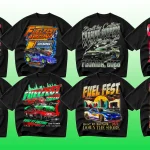
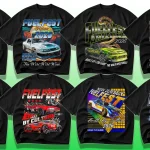
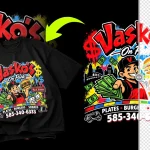
You’re scrolling through Instagram when a grainy photo of a vintage-looking tee stops your thumb. It’s a warped photo of MF DOOM’s mask, airbrushed over a bootleg Madvillainy album cover, with text that reads “ALL CAPS WHEN YOU STEAL THE MAN’S ART.” It’s not official. It’s not licensed. But it’s dripping with personality, and you need it. That, right there, is the magnetic pull of a bootleg rap t-shirt—and if you’re running a print-on-demand business, it’s a goldmine waiting to be tapped.
But here’s the truth: the difference between a forgettable copyright strike and a sold-out drop comes down to the practices you follow. Not just the design tricks, but how you navigate the hazy legal line, market to the culture, and pick a POD partner that won’t leave you with crooked prints and angry customers. I’ve been in the POD streetwear game for years, testing bootleg-inspired designs, getting a few takedown notices, and learning the hard way what works. In this post, I’ll walk you through the best practices for creating bootleg rap t-shirts that sell—without losing your store, your money, or your creative soul.
Why Bootleg Rap Tees? The Cultural Goldmine
Bootleg rap merch isn’t new. In the ’90s, street vendors outside concerts sold unlicensed tees that fans often preferred over the official stuff. Fast-forward to today, and the internet has supercharged the scene. Platforms like Instagram, Depop, and Grailed are flooded with bootleg designs that remix hip-hop iconography into something raw and personal. Why do people buy them? Because bootlegs offer something official merch often misses: a feeling of insider status, a nod to the underground, and designs that aren’t watered down by corporate approval.
Data backs up the streetwear obsession. The global streetwear market was valued at over $185 billion in 2023 and is projected to keep climbing. Within that, graphic tees remain the backbone. Hip-hop, in particular, drives a massive chunk of this culture. When rap fans can’t find official merch that captures the gritty, unpolished energy of the music, they turn to bootleg artists—people like you. And with print-on-demand, you can launch these tees with zero inventory, testing dozens of concepts until one goes viral. That’s why mastering the right practices from the start can turn a side hustle into a full-on brand.
The Print-on-Demand Advantage for Bootleg Merch
If you’ve ever screen-printed 50 shirts in your basement and prayed they’d sell, you know the pain. Print-on-demand removes that gamble. You upload a design, list it, and only when a customer orders does a POD company print and ship it. That means you can afford to take creative risks, drop limited-time collections, and adapt to what the culture is buzzing about this week—without ending up with a box of unsold tees.
But the real magic is speed. Rap moves fast. A viral diss track drops on Friday; by Monday, you can have a bootleg-inspired tee referencing it, live in your store. Official merch often takes months to clear legal and production hurdles. Your agility is your superpower. To pull it off though, you need a set of solid practices that cover everything from design ethics to printing quality. Let’s get into it.
Navigating the Legal Maze: Fair Use, Parody, and Safe Practices
Let’s rip the Band-Aid off: bootlegs, by definition, exist in a legal gray area. An unlicensed tee using an artist’s likeness, lyrics, or album art can land you a cease-and-desist letter—or worse. But not all bootlegs are created equal, and understanding where the line sits is the most crucial of all practices.
Understanding Transformative Use
U.S. copyright law protects original works, but the fair use doctrine can shield work that is “transformative”—meaning it adds new expression, meaning, or message. A parody that comments on the original work is often protected. Courts look at four factors: the purpose and character of your use, the nature of the copyrighted work, how much you used, and the effect on the market for the original. A tee that takes a famous album cover and adds satirical text critiquing the music industry stands a much better chance than a straight-up copy printed on a Gildan blank.
The Supreme Court’s decision in Campbell v. Acuff-Rose Music (the 2 Live Crew “Pretty Woman” case) affirmed that commercial parody can qualify as fair use. More recently, the streetwear brand Supreme built an empire partly on unlicensed imagery before eventually collaborating with the very entities it once borrowed from. There’s a lesson there: transformation and commentary are your shield.
The Bootleg Safety Net: What You Can (Probably) Get Away With
I’ll be blunt—this isn’t legal advice, just street-tested wisdom. The artists and labels most likely to sue are the ones with the deepest pockets. But many up-and-coming rappers embrace bootleg merch because it builds their myth. There’s a whole economy of “fan art” tees that operate with a wink and a nod. The key practices to stay safer include:
- Avoid direct logo copies. Don’t just slap the Death Row Records logo on a shirt. Remix it, distort it, layer it with other elements.
- Use public domain or original photos. If you’re collaging, grab images from free stock sites or take your own gritty street photos and overlay text treatments inspired by album art.
- Add a layer of commentary. A design that merely reproduces a famous face might be an infringement; a design that adds ironic text, political critique, or obvious parody changes the context.
- Steer clear of trademarked phrases. “Yeezy” and “Bad Boy” are trademarks. Using them as the main selling point is riskier than referencing a mood or aesthetic.
If you want a deeper dive into fair use for clothing, the U.S. Copyright Office Fair Use Index is a solid resource. And for a streetwear-specific breakdown of parody tees, check out this LegalZoom article on parody and copyright. Knowledge is power—and in this game, it’s also a shield.
Practical Risk Mitigation Practices
Beyond legal theories, implement these day-to-day practices:
- Fly under the radar. Don’t tag the artist or label in your posts when selling a bootleg design. Word-of-mouth marketing within fan communities is safer.
- Use a separate POD store. If one gets shut down, your main brand isn’t toast.
- Set drops as limited editions. If a design only sells for 48 hours, it’s harder for rights holders to care.
- Never print directly on official blanks that carry trademark tags. Even a blank t-shirt with a small Nike swoosh can add to a trademark complaint.
These practices won’t make you bulletproof, but they’ll drastically lower your chances of waking up to a scary legal email.
Design Practices That Turn Heads
A bootleg tee isn’t just a legal hack; it’s an aesthetic movement. The best ones feel like something you’d find in a dusty record store basement. Here are the design practices that separate forgettable from fire.
Remix, Don’t Replicate: The Art of the Bootleg
True bootleg masters—like the anonymous artist behind the viral “Barbie” x Oppenheimer tees or the countless creators on Instagram—understand that direct copying is lazy. Instead, they mash up references: think a portrait of Kendrick Lamar drawn in a 1970s Blaxploitation poster style, paired with a fake tour date list from an alternate universe. This “remix” approach taps into nostalgia while feeling entirely fresh.
One of my best-selling designs riffed on a cult classic album cover, but I replaced the artist’s face with a pixelated emoji and added a glitch effect. It sold out because it respected the original while being undeniably new. That’s the sweet spot.
Typography & Collage Aesthetics
Bootleg rap tees thrive on gritty typography—distorted fonts, ransom-note lettering, stretched text, and bootleg “Parental Advisory” stickers gone rogue. Use free tools like Canva or dive into Photoshop to layer textures: photocopy noise, halftone patterns, and grain. The messier, the better. If it looks too clean, it loses the vibe.
Pair text with collage elements. Cut out photos, scanned textures, hand-drawn scribbles. A design featuring a grainy image of a vintage boombox with a lyric scribbled in sharpie instantly communicates a bootleg feel. These small practices in visual language cue the audience that they’re buying something raw and exclusive.
Mockup Mastery: Selling the Dream
Even the best design can flop if your mockup looks like a cheap printout. Invest time in high-quality mockups that show the tee on a real body, in a setting that fits the culture—dimly lit alleyways, record store interiors, or just a well-worn leather couch. I’ve seen designs double their conversion rate simply because the mockup felt like an album cover outtake. At Nix Glow Studio, we obsess over mockup realism because it’s the bridge between a digital file and a physical object someone wants to wear.
Choosing the Right POD Partner: A Comparison
Not all print-on-demand companies are down with bootleg culture. Some will reject designs with any hint of copyrighted material; others turn a blind eye but deliver garbage quality. After testing a dozen platforms, here’s a quick comparison based on my practices for bootleg tees.
| POD Platform | Bootleg Tolerance | Print Quality | Mockup Generator | Best For |
|---|---|---|---|---|
| Printful | Moderate – automated checks may flag obvious logos | High, vibrant DTG | Excellent built-in mockups | Premium vintage-style tees |
| Printify | Varies by provider; some are lenient | Decent, depends on print provider | Basic, but workable | Fast testing with multiple print partners |
| Gelato | Relatively strict on IP | Good, consistent globally | Clean, modern mockups | International shipping and safe designs |
| CustomCat | Lenient but lower quality | Inconsistent DTG | Poor | High-risk, low-cost experiments |
| Apliiq (for woven labels) | Very bootleg-friendly | N/A (woven labels) | N/A | Adding custom tags for a full bootleg vibe |
My go-to practice is to start with Printify using a provider I’ve vetted for quality and IP flexibility, then move to Printful for designs that have proven demand and deserve the premium feel. Just be ready to pivot if a listing gets removed—flexibility is one of the smartest practices in this space.
Marketing Your Bootleg Rap Tees Like a Streetwear Hustler
You can design the hardest bootleg tee on earth, but if no one sees it, it doesn’t matter. Marketing bootleg merch requires a different playbook than regular POD shops. You’re selling culture, not just a product.
Instagram & TikTok: The Digital Street Corner
Social media is your storefront. But unlike a clean lifestyle brand, bootleg rap tees thrive on raw, low-production content. Post behind-the-scenes of your design process: a quick clip of you layering fonts, a screen recording of a chaotic Photoshop canvas, or a voiceover explaining the cultural reference. Instagram’s Reels and TikTok’s algorithm reward this “process” content heavily.
At Nix Glow Studio’s Instagram, we’ve built an audience by showcasing bootleg-style designs as short cinematic edits—each post feels like a music video teaser. The practice here is simple: sell the vibe before you sell the shirt. When someone comments “where’s the link?”, you’ve already won.
Also, lean into niche hip-hop communities. Reddit’s r/hiphopvinyl, underground rap Discords, and Twitter threads discussing obscure mixtapes are goldmines. Don’t spam links; be a genuine fan first. The trust you build leads to sales that official merch stores can’t touch.
Limited Drops & Scarcity
Bootlegs thrive on FOMO. Never keep a design in stock forever. Run it for 72 hours, then pull it. This creates urgency and collectibility. Announce the drop time on your socials, post a countdown, and let the culture spread it. I once dropped a bootleg-inspired MF DOOM tee at midnight with no prior announcement—just a single Instagram story. It sold 80 units in two hours purely because of the “you had to be there” energy.
Pair this with a practice of numbering your “virtual edition” in the product description (“Edition of 100”). Even though POD is print-on-demand, capping sales at a set number adds perceived value and keeps you legally safer by limiting distribution.
Collaborations & Community
Reach out to small rap blogs, underground DJs, or even meme pages that share the same aesthetic. Offer them a free tee in exchange for a post, or co-design a capsule. These micro-collabs tap into ready-made audiences that already understand bootleg culture. My first big break came when a YouTube channel with 10K subs reviewed streetwear brands and featured one of my tees—the traffic crashed my Shopify site. The practice of genuine relationship-building pays off tenfold.
You can also check out visual inspiration and collab breakdowns on our Nix Glow Studio YouTube channel, where we analyze what makes a bootleg design stick.
Pricing for Profit Without Killing the Vibe
Bootleg tees carry an interesting psychological price ceiling. Too cheap and they feel like flimsy Redbubble knockoffs; too expensive and you alienate the very culture you’re representing. Through trial and error, I’ve settled on a sweet spot of $28–$38 for a standard tee, depending on the blank and print complexity.
Here’s a quick pricing table based on my own practices:
| Cost Component | Example |
|---|---|
| POD base cost (Gildan 5000) | $10–$12 |
| Platform fee / app | $0–$5 |
| Desired profit margin | $15–$20 |
| Final retail price | $28–$35 |
| Premium blank (LA Apparel) | $15 base, retail $38–$42 |
Bundle deals can work, but with bootlegs, scarcity tends to outperform discounts. If you want to move multiple designs, create a “pack” like a mixtape series and sell it at a slight bundle rate. Always calculate profit with potential chargeback fees and occasional returns. A robust set of financial practices will keep your hustle sustainable.
Real-World Success Stories & Lessons
Take the story of “Vintage Rap Tees,” a seller who turned bootleg-inspired hip-hop designs into a six-figure brand. They started by scanning old Source magazine ads and warping them into wearable art. Their big break? A Tyler, the Creator concert where fans flocked to their pop-up shop outside the venue. Tyler’s team never sent a complaint; instead, Tyler himself was later spotted in one of the tees. The lesson: when your design feels like fan art rather than a counterfeit, it can orbit the artist’s world without crashing into it.
Another creator I know focuses solely on “what if” history tees—like a fake tour poster for a Biggie and 2Pac joint concert that never happened. The design is pure fiction, uses no actual album art, but drips with hip-hop nostalgia. It’s never been flagged because there’s nothing to flag. These creative practices prove you don’t need to steal to sell.
Conclusion: Your Bootleg Blueprint
Bootleg rap t-shirts for print-on-demand sit at the intersection of art, law, and culture. The brands that win aren’t the ones who blindly copy—they’re the ones who remix, respect the roots, and build community. By adopting the practices outlined here—from transformative design and smart legal navigation to gritty social marketing and strategic POD partnerships—you can build a brand that feels both rebellious and sustainable.
The streetwear game rewards the bold. It also rewards those who do their homework. So, study the culture, apply these practices, and start creating tees that make people stop scrolling and say, “I need that.”
Ready to turn your bootleg rap tee ideas into reality?
At Nix Glow Studio, we specialize in print-on-demand design and strategy that capture the raw energy of street culture. Visit Nix Glow Studio to explore our resources, or check out our visual playbook on Instagram and YouTube for behind-the-scenes tips, trend breakdowns, and design inspiration.
Drop a comment below with your wildest bootleg concept—let’s build the next cult classic together. Share this post with a fellow creative who needs to see it, and subscribe to our newsletter for exclusive drop alerts and more streetwear practices.