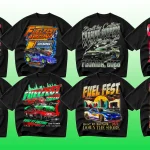
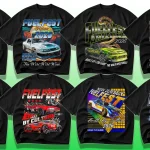
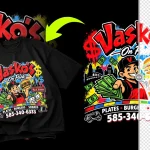
I still remember the first bootleg rap t-shirt I ever bought. It was a faded, cracked-print DMX It’s Dark and Hell Is Hot tee I found buried in a cardboard box at a Brooklyn flea market. The graphic was slightly off-center, the colors bled into each other, and the cotton felt like it had survived three decades of mosh pits. It was technically a mess. But when I wore it to a house party, it sparked more conversations than any pristine, hundred-dollar official merch piece ever had. Someone offered me triple what I paid on the spot. I declined. That shirt wasn’t just clothing; it was a story, an artefact, a tiny rebellion stitched in cotton.
Fast-forward to 2026, and that flea-market energy has swallowed streetwear whole. Scroll through Instagram, walk through a festival, or just people-watch in SoHo, and you’ll see them everywhere: rap t-shirts that were never sanctioned by any label, artist, or management team. Bootleg rap t-shirts — handmade, AI-generated, vintage knockoffs, and ironic reinterpretations — aren’t just back in style; they’re defining what style even means right now. This isn’t a niche subculture anymore. It’s the main event.
So why are these unauthorized, often technically illegal garments suddenly the hottest thing in fashion? The answer is a tangled knot of nostalgia, accessibility, anti-corporate sentiment, and the raw creative energy that only exists outside the lines. Let’s pull that thread.
The Bootleg Renaissance: A History Written in Cotton
Bootleg rap apparel didn’t just appear out of nowhere. Its current dominance is the third wave of a movement that’s been simmering since hip-hop’s golden age. To understand why rap t-shirts are everywhere now, we have to rewind to Harlem in the 1980s, where a tailor named Dapper Dan turned counterfeiting into high art.
Dan’s legendary atelier on 125th Street created custom pieces that slapped Gucci, Louis Vuitton, and Fendi logos onto tracksuits, jackets, and hats — without permission. His clients were the architects of hip-hop: Eric B. & Rakim, LL Cool J, Salt-N-Pepa. The designs were bootleg, but the cultural cachet was more authentic than anything on Madison Avenue. Luxury houses sued him into the shadows, but his DNA never left the conversation. (Today, Gucci collaborates with him officially — the ultimate co-sign of a bootleg pioneer.) This legacy proved something essential: in hip-hop culture, authenticity doesn’t come from a licensing agreement; it comes from community, creativity, and sheer audacity.
The second wave hit in the mid-’90s and early 2000s. Canal Street vendors, mixtape stalls, and mall kiosks churned out screen-printed rap t-shirts featuring Tupac, Biggie, Bone Thugs-N-Harmony, and Eminem. They were cheap, unlicensed, and gloriously rough around the edges. Those shirts weren’t just merchandise; they were fandom made physical for fans who couldn’t afford a $40 tour tee or who lived in places the official tour never reached. Then the 2010s brought the big merch boom — Kanye’s The Life of Pablo pop-ups, Travis Scott’s Astroworld drops, and the rise of “merch as event.” Official product became premium, scarce, and hype-driven. Bootlegs faded into the background.
Now, we’re deep in the third wave. And this time, the bootleg is the flex.
Official vs. Bootleg Rap T-Shirts: A Side-by-Side Breakdown
To see why the balance has tipped, let’s put official and bootleg rap t-shirts head-to-head.
| Feature | Official Rap T-Shirt | Bootleg Rap T-Shirt |
|---|---|---|
| Price | $45–$150+ (often inflated by resale) | $15–$50 (direct from maker or thrifted) |
| Availability | Limited drops, sold out in minutes, gatekept by bots | Infinite variations, always available via Etsy, Depop, Instagram |
| Design Originality | Typically safe, label-approved artwork | Wildly creative, unpolished, genre-bending mashups |
| Quality | Consistent, often on premium blanks | Varies dramatically — part of the charm |
| Cultural Cachet | Signifies access and capital | Signifies taste, knowledge, and underground cred |
| Legal Status | Fully licensed | Technically copyright infringement (a grey-area thrill) |
The table tells a clear story. Official merch has become a luxury good, often unattainable for the average fan. Bootlegs, meanwhile, operate like folk art — democratic, unpredictable, and deeply connected to the community that spawns them. When an official Playboi Carti tee drops for $55 and resells for $400, the bootleg isn’t just a cheaper alternative; it’s a statement. It says, “I’d rather own a one-of-one piece made by a fan than fight bots for a mass-produced logo.”
6 Reasons Bootleg Rap T-Shirts Are Dominating Streetwear
The resurgence isn’t accidental. Six cultural and technological forces have conspired to place bootleg rap t-shirts at the center of fashion.
1. The Scarcity & Hype Machine Is Breaking
Streetwear drops in the mid-2020s have become a parody of themselves. Bots snatch up entire inventories in seconds, only to flood StockX and Grailed with triple-markup listings. For many fans, buying official merch has become a hopeless ritual. Bootlegs step into that vacuum. They offer instant availability without the emotional toll. When you can’t get the official Utopia tee, you can find an artist on Instagram who’s printed their own fever-dream version on a heavyweight 90s blank — and it arrives in three days. No waiting room, no queue-it app, no heartbreak.
2. The Nostalgia Engine Is Running at Full Speed
The Y2K revival has supercharged the market for vintage bootlegs. On platforms like Depop, searches for “vintage rap tees” have surged — one report noted a 320% increase in related queries as Gen Z digs through the early 2000s for identity markers. A washed-out, single-stitch DMX bootleg from 1999 carries a tactile history that a brand-new reprint can’t fake. These shirts feel like relics of a lost internet, when file-sharing and CD burners were the height of rebellion. Wearing one now is an act of cultural archaeology, a way to signal that you know hip-hop’s roots are tangled in cassette tapes and Xeroxed flyers, not just streaming numbers.
3. DIY Culture & The Punk Spirit Never Left
Hip-hop and punk share more DNA than gatekeepers admit. Both are built on resourcefulness, anger, and the urge to make something out of nothing. The current bootleg wave taps directly into that DIY ethos. Kids are buying screen-printing kits, firing up heat presses in their bedrooms, and creating small-batch rap t-shirts that reimagine classic album art through glitch aesthetics, bootleg Bart Simpson mashups, or ironic corporate logo flips. It’s not about stealing; it’s about remixing. And the results are often far more interesting than the source material. At Nix Glow Studio, we’ve been watching this handmade renaissance closely — the boundary between fan art and fashion has completely dissolved, and the energy is electric.
4. Celebrity Co-Signs Made Bootleg the Ultimate Flex
Nothing accelerates a trend faster than the right people wearing it. Tyler, the Creator has been photographed in obviously unlicensed rap tees that look like they came from a parking lot sale. Playboi Carti’s fan-made aesthetic blurs the line between official and underground so thoroughly that bootlegs are practically part of his visual language. When a $20 parking-lot Biggie shirt appears on a stadium stage, the value hierarchy flips. Suddenly, the bootleg isn’t a compromise — it’s an insider signal, a nod to the culture’s raw edges. This celebrity embrace has turned bootleg fashion into a legitimate style category, studied by trend forecasters and luxury houses alike.
5. The AI Bootleg Boom Is Here
The most futuristic twist on the bootleg rap t-shirt comes from artificial intelligence. Tools like Midjourney and Stable Diffusion let anyone generate hyper-detailed, never-before-seen rap graphics in seconds. Imagine a Madvillainy cover reimagined as a 1970s sci-fi pulp novel, or a fake tour tee for a Frank Ocean album that never dropped. AI-generated bootlegs are flooding online marketplaces, and they occupy a fascinating legal grey area. They aren’t direct copies — they’re hallucinations, trained on the visual language of hip-hop but producing entirely new images. This has already sparked conversations about creativity and ownership, with platforms like Hypebeast covering AI’s growing influence on streetwear design. What’s undeniable is that fans are using these tools to build the merch they wish existed, and the results are visually stunning.
6. The Thrill of Illegitimacy
Let’s be honest: part of the appeal is that bootlegs feel a little dangerous. They exist in the legal shadows, technically infringing on copyright and trademark protections. That frisson is part of the package. Wearing an unlicensed rap t-shirt is a quiet act of defiance — against corporate IP hoarding, against the commodification of every cultural symbol, against the idea that you need permission to express fandom. The legal battles are real, and artists have a right to control their likeness, but the bootleg’s persistence suggests a deeper truth: when a piece of art becomes part of the public consciousness, people will find ways to wear that connection. The grey market in streetwear remains robust precisely because the emotional and cultural demand outstrips what official channels can supply.
The Irresistible Aesthetics of Bootleg Rap T-Shirts
Beyond the cultural forces, there’s a purely visual reason bootleg rap t-shirts are taking over: they look incredible, largely because of their imperfections.
Official merch often feels sanitized — perfectly centered graphics, Pantone-matched colors, pre-distressed hems that scream “focus-grouped.” Bootlegs break all those rules. Print alignment might be slightly tilted. The ink might crack in a specific way after one wash. Color separations are messy, creating halo effects that digital printers can’t replicate. These “flaws” give each shirt a handmade fingerprint that signals realness in an age of algorithmic perfection.
There’s also the creative collision that only bootleggers can pull off. A faded Ready to Die cover printed over a vintage Nike logo. A Whole Lotta Red slasher font on a thrifted Disney tee. These mashups operate in the language of internet culture — sampling, remixing, juxtaposing — and they mirror how music itself is made. In many ways, a bootleg rap shirt is the visual equivalent of a producer flipping an obscure soul sample into a beat. It’s not just a copy; it’s a transformation.
How to Cop the Best Bootleg Rap T-Shirts (and Style Them Right)
Ready to dive in? Finding great bootlegs is its own art form. Start with the digital hunting grounds:
- Depop & Grailed – Search terms like “vintage rap tee,” “bootleg hip hop shirt,” or artist names plus “fan made.” Save searches and check often; the best pieces move fast.
- Etsy – A goldmine for independent screen printers creating small-batch rap t-shirts with original artwork. Many take custom commissions.
- Instagram – Follow underground designers and accounts that specialize in bootleg drops. Word of mouth is everything here. Studios like Nix Glow Studio on Instagram are part of this creative ecosystem, blending custom graphics with that raw, unlicensed energy.
- Flea Markets & Thrift Stores – Nothing beats the thrill of digging through bins and pulling out a one-of-a-kind grail for five dollars.
Styling a bootleg rap tee is beautifully low-stakes. Let the shirt be the statement. Pair it with loose-fit denim, worn-in sneakers, and minimal accessories. Oversized fits work wonders, especially if the graphic is chaotic. Tuck it partially into cargo pants or layer it under an open flannel. The key is to avoid looking like you tried too hard — bootleg style thrives on effortless, “I threw this on” energy.
Conclusion: The Unlicensed Future of Rap Merch
Bootleg rap t-shirts are back in style because they fill every gap the official industry has left behind. They’re affordable when merch has become a luxury. They’re accessible when drops are gatekept. They’re creatively unhinged when approved designs feel corporate. And they carry the tactile, emotional weight of subcultural memory in a way that a perfectly printed re-run never can.
This isn’t a trend that will evaporate when the hype cycle moves on. The forces behind it — economic frustration, DIY empowerment, AI innovation, and a deep craving for authentic connection — are structural, not seasonal. We’re watching the merch model crack open, and what’s pouring through is wilder, weirder, and far more democratic.
So next time you see a cracked-print DMX tee at a flea market or an AI-generated Flower Boy fantasy on Instagram, don’t just scroll past. That shirt is part of a lineage that stretches back to Dapper Dan’s Harlem atelier and forward into a future where fans are the art directors. And if you’re ready to create your own piece of that lineage — a custom graphic, a one-off print, a design that blurs the line between fan art and fashion — explore what we’re building at Nix Glow Studio. We’re plugged into this culture, and we’d love to see what you dream up.
Join the conversation. What’s the best bootleg rap tee you’ve ever found? Drop your grails in the comments, share this post with a friend who still argues that “official only” is the move, and follow our creative journey — find us on YouTube for design process breakdowns and on Instagram for drops you won’t see anywhere else. Let’s keep the bootleg spirit alive.